
What Is a PRP Shot? Waterloo Medical Spa Explains Platelet-Rich Plasma & How It Works
You’ve probably heard friends or celebs talk about PRP. It seems to be everywhere these days, from sports medicine to cosmetic clinics. But many people in Waterloo still wonder the same thing: what is a PRP shot, how does it work, and is it actually worth it?
That’s exactly what we’re going to clear up here. We’ll break down the science, the uses, and what you can expect if you’re thinking about trying PRP at YourSkinRN.
What Is PRP Platelet-Rich Plasma?
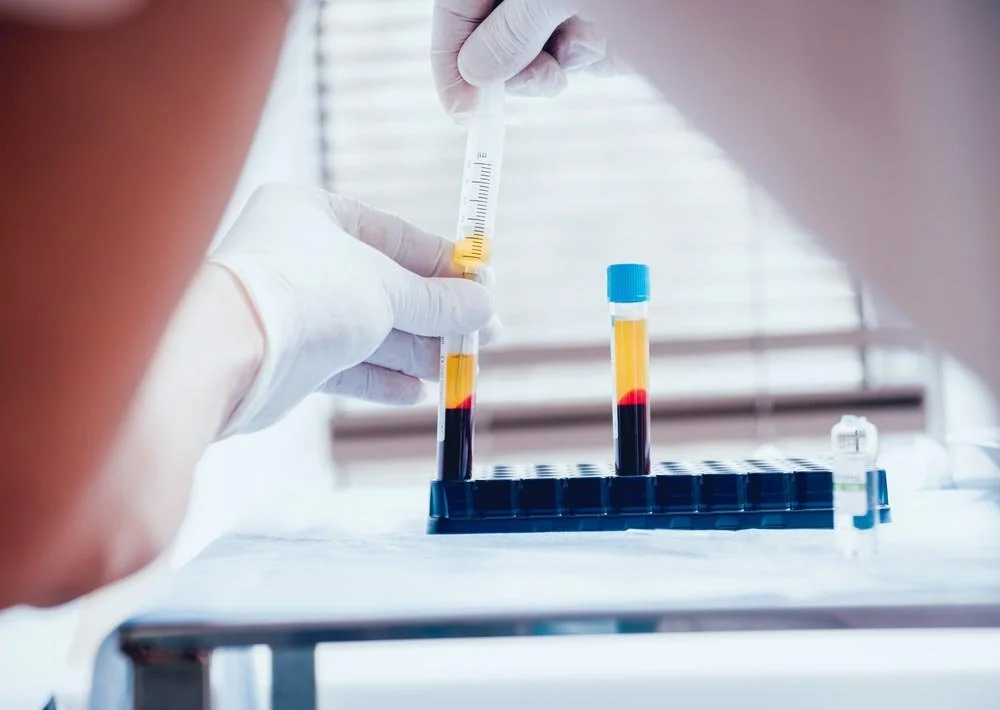
PRP stands for platelet-rich plasma. Sounds complicated, but it’s really simple at its core. A small sample of your blood is drawn, then spun in a special centrifuge. This process separates the red cells from the golden plasma that’s rich in platelets and growth factors.
Those platelets are where the magic happens. They release proteins and healing signals that help repair tissue and stimulate regeneration. Think of it like taking your body’s own natural healing fluid and delivering it exactly where it’s needed most.
PRP has been studied for decades in orthopedics, wound healing, and dentistry. In aesthetics, it’s now used for hair restoration, skin rejuvenation, and even under-eye brightening. Unlike synthetic fillers or medications, PRP is completely natural since it comes from you.
A 2020 study in Aesthetic Plastic Surgery found PRP can improve skin elasticity, texture, and thickness in as little as three months of treatment (source).
How Does a PRP Shot Work?
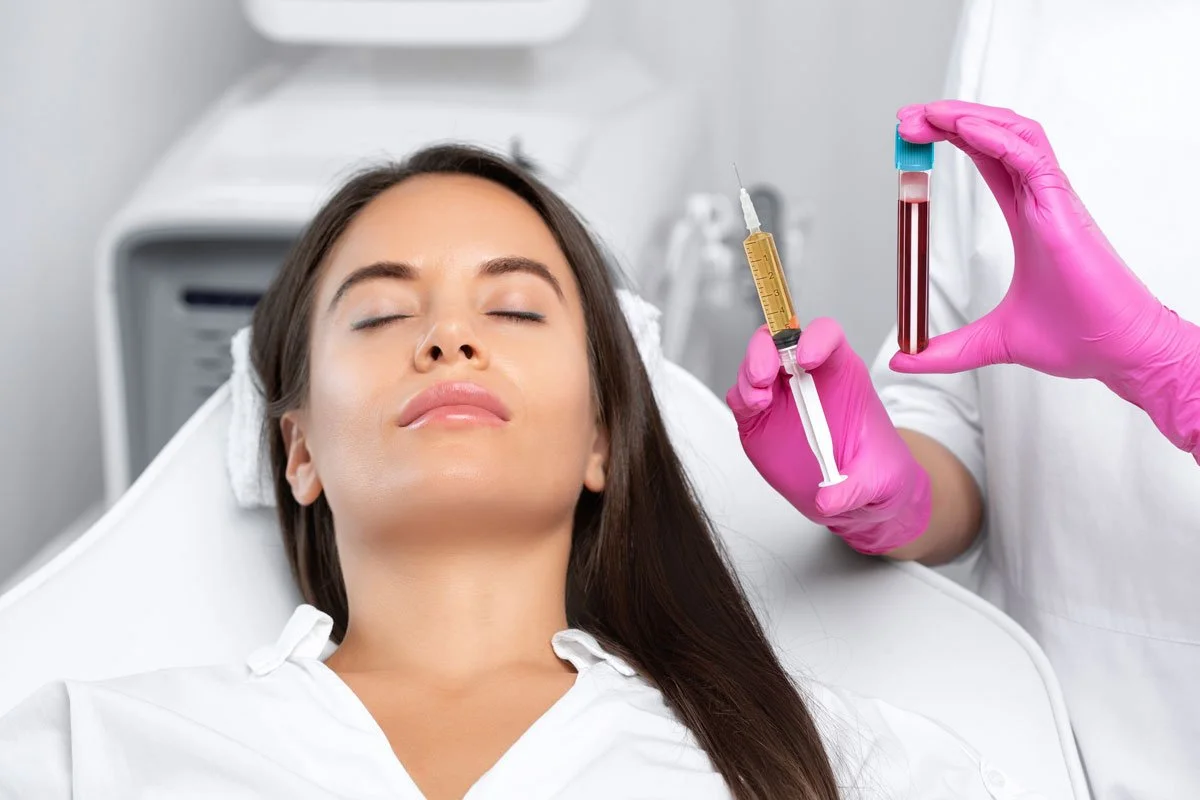
So, what is a PRP shot in practical terms? Here’s the flow:
A nurse or clinician draws a small amount of blood, usually from your arm.
The vial goes into a centrifuge, spinning rapidly to separate plasma.
The concentrated PRP is collected in a syringe.
It’s then injected directly into the treatment area, whether that’s your scalp for hair loss, your face for skin rejuvenation, or even a joint for pain.
At the cellular level, PRP is like hitting the reset button. Growth factors from the platelets tell nearby cells to repair, regenerate, and build new tissue. Imagine it as a natural “jumpstart” for your body’s repair system.

What Can PRP Be Used to Treat?
PRP isn’t just for one thing, it’s a versatile treatment that can help with both health and beauty concerns.
Medical Uses:
PRP can support healing in areas like sore joints, tendon injuries, or slow-healing wounds. By using your body’s own growth factors it helps tissues repair faster and reduces discomfort.
Aesthetic Uses:
At medical spas, PRP is often used for:
Hair thinning or hair loss: stimulates growth and strengthens hair follicles.
Dull or uneven skin: brightens and refreshes tired-looking skin.
Fine lines and wrinkles: helps skin look firmer and smoother.
Acne scars and texture issues: encourages skin repair and reduces scarring.
Under-eye hollows or dark circles: improves volume and gives a refreshed look.
Sexual wellness treatments:
PRP is increasingly used to support sexual health for both men and women.
Vaginal rejuvenation (PRP for women), also known as the V-Shot and O-Shot: can help improve lubrication, sensitivity, and overall vaginal health.
P-Shot (PRP for men), also known as Priapus Shot or
PRP Penis Booster: can support erectile function, circulation, and tissue health.
From boosting hair to enhancing sexual wellness, PRP is all about using your body’s own natural healing power to restore and rejuvenate.
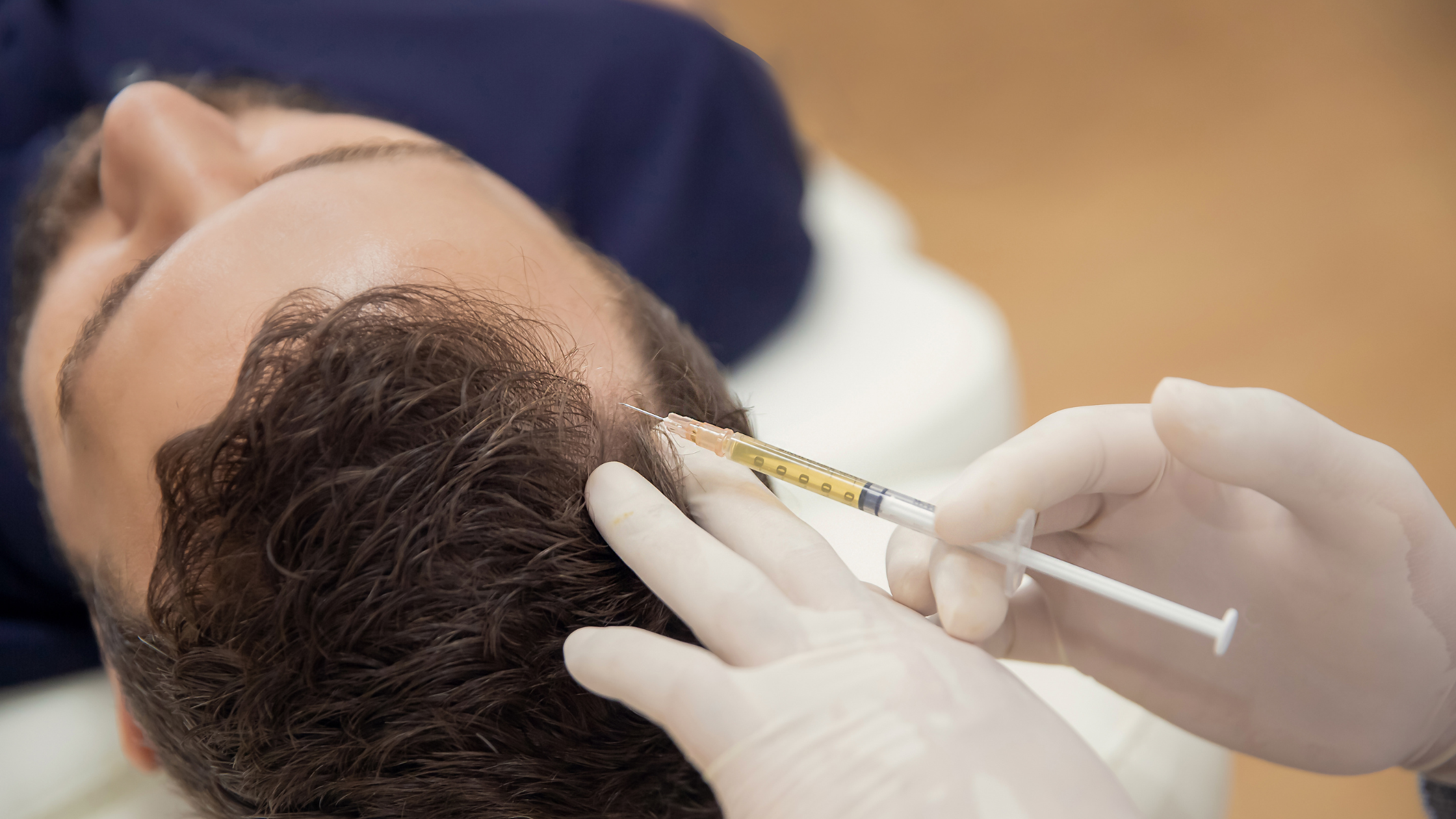
At YourSkinRN in Waterloo, we focus on prp treatments for skin and hair. Many patients come in wanting firmer, smoother skin or thicker, healthier hair. PRP can also be combined with treatments like microneedling or exosome therapy to get even better results.
Want to learn more about what PRP can do? Check out our full guide: What Can PRP Injections Do for You?
Are PRP Shots Covered by Insurance?
This is a big question. In most cases, cosmetic PRP (like skin or hair treatments) is not covered by insurance. If PRP is being used medically, such as for injuries, coverage may be possible but usually requires a doctor’s referral and assessment.
At YourSkinRN, everything is upfront. Pricing is clear, and patients know exactly what to expect before they begin.
Treatments Commonly Combined with PRP
PRP often works even better when paired with other treatments. A few examples:
Microneedling + PRP (“Vampire Facial”): tiny microchannels in the skin let PRP soak deeper, boosting collagen and healing faster.
Exosomes + PRP: growth factors and cellular messengers working together for advanced rejuvenation.
Laser + PRP: speeds recovery after CO₂, IPL, or fractional lasers, while enhancing results.
Fillers + PRP: PRP improves skin health around filler sites and may reduce swelling.
Botox + PRP: tackles both skin quality and dynamic lines in one plan.
This is why consultations at YourSkinRN are so important, treatments can be customized.
What to Expect During a PRP Treatment in Waterloo
For first-timers, the process is straightforward. You’ll come in, have a short blood draw, and relax while it spins in the centrifuge. The injections themselves are quick. Most people describe the sensation as mild pinching or pressure.
There’s little downtime. You might notice some redness or swelling that fades within a day or two. Results usually start appearing within 1–3 months, as your body gradually produces new collagen and tissue.
Risks, Safety, and Side Effects
Because PRP comes from your own blood, the risks are low. Side effects are usually mild and temporary, like redness, tenderness, or small bruises at the injection site.
The key is making sure the treatment is done by trained professionals. At YourSkinRN in Waterloo, every PRP procedure is performed by skilled providers who focus on both safety and results.
Why Choose YourSkinRN for PRP in Waterloo
Waterloo has many aesthetic options, but YourSkinRN stands out. This isn’t just a clinic offering “quick fix” injections. The team is nurse-led, with expertise in regenerative medicine and cosmetic treatments. They tailor PRP protocols for each patient, whether it’s hair restoration, skin brightening, or scar repair.
Patients in Kitchener-Waterloo trust YourSkinRN because of their consistent results, personalized care, and strong reputation in the local community.
FAQs About PRP
How long do PRP injections last?
Most results last 12–18 months, depending on the area treated and lifestyle factors.
How many sessions are needed?
Typically, 3 sessions spaced 4–6 weeks apart, followed by maintenance treatments.
Is PRP painful?
Mild discomfort during injection, but most patients tolerate it well.
PRP vs stem cells, what’s the difference?
PRP comes from your own blood platelets. Stem cells come from bone marrow or fat tissue. PRP is simpler, safer, and more widely available in medical spas.
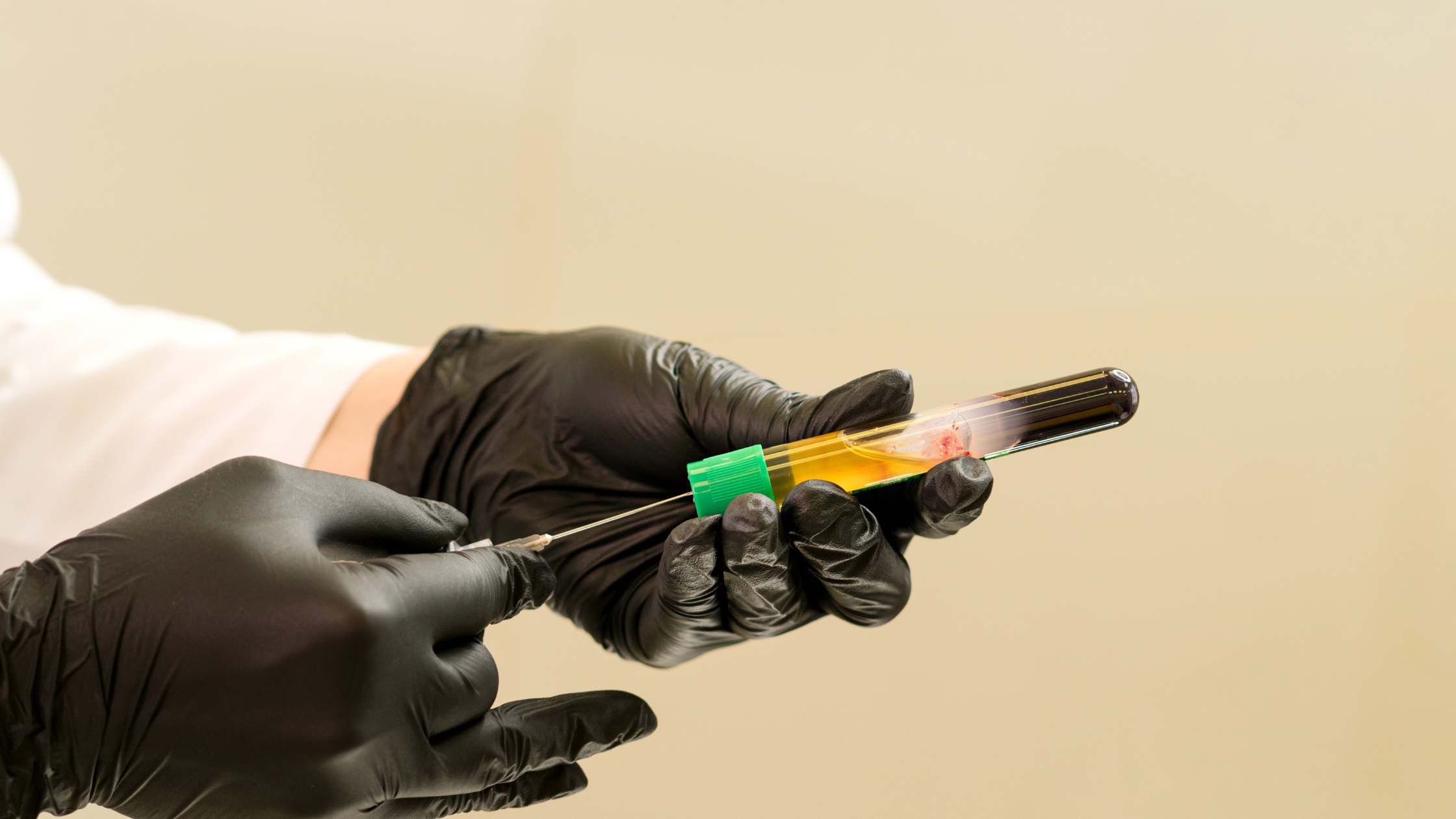
So, what is a PRP shot? It’s a natural way to harness your body’s own healing power to improve skin, restore hair, and even support joint health. It’s versatile, safe, and increasingly popular in clinics across Canada.
If you’re in Waterloo and curious about PRP for skin or hair, YourSkinRN is the local clinic trusted for expert care. Book a consultation today to find out how PRP could work for you.
Book your free PRP consultation with YourSkinRN in Waterloo